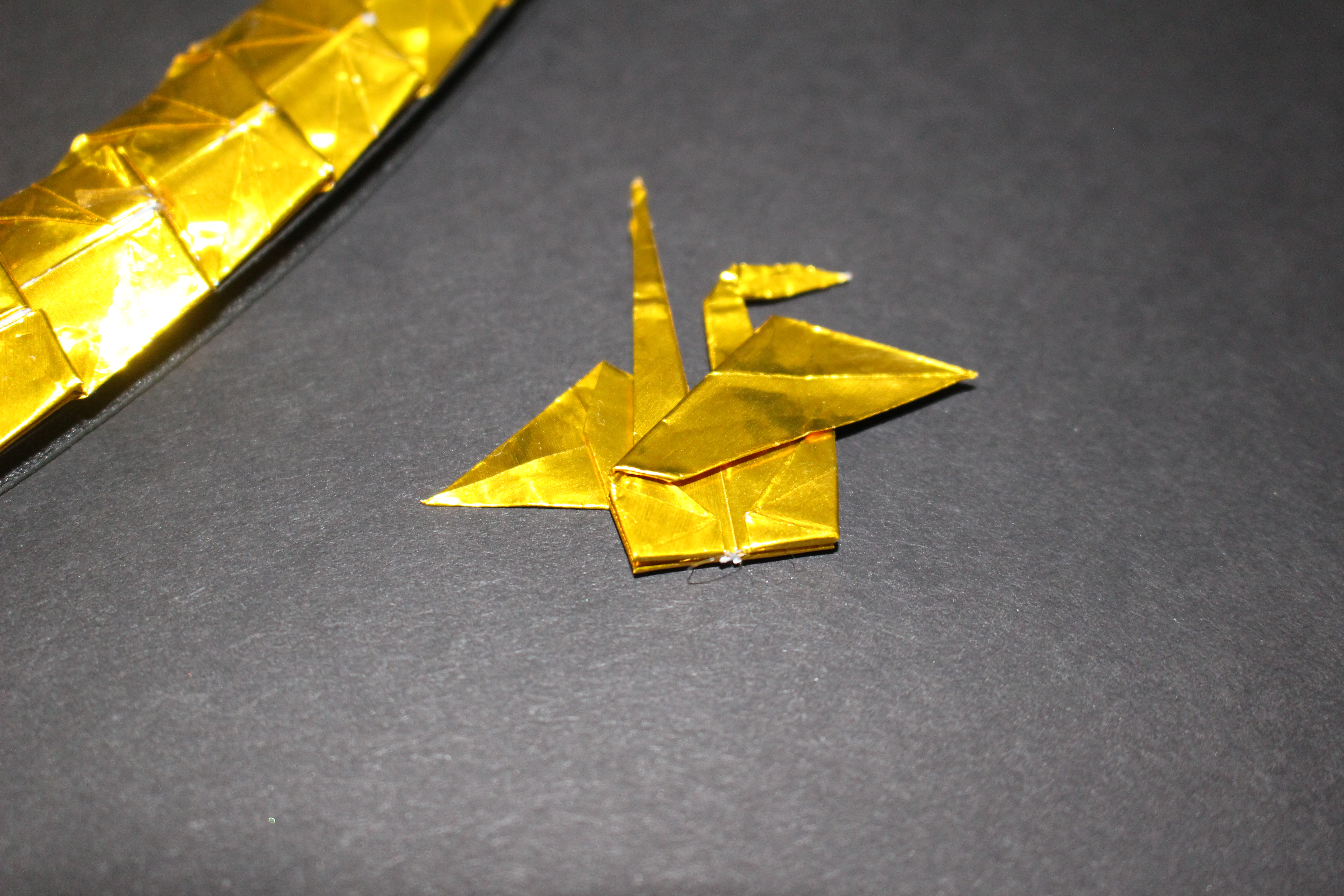
The crane has been a symbol of happiness and eternal youth throughout many Asian cultures. The crane stands for good fortune and longevity as the crane is fabled to live for a thousand years. Cranes, or tsuru, are also monogamous and are often used for weddings.
The thousand and one origami cranes have its origins in the story of a young girl, Sadako Sasaki, who was a victim of the atomic bomb in Hiroshima. After being diagnosed with leukemia as a result of her exposure to radiation, Sadako decided to fold a thousand cranes as a symbol of peace and hope; a tradition that has continued in many different forms around the world. Many now carry on the tradition of folding a thousand and one cranes as a symbol of health, happiness, hope, and peace. It is customary to fold a thousand cranes when making a special wish or to celebrate a special occasion. Ancient Japanese legends promise that anyone who folds a thousand cranes will be granted a wish or eternal good luck.
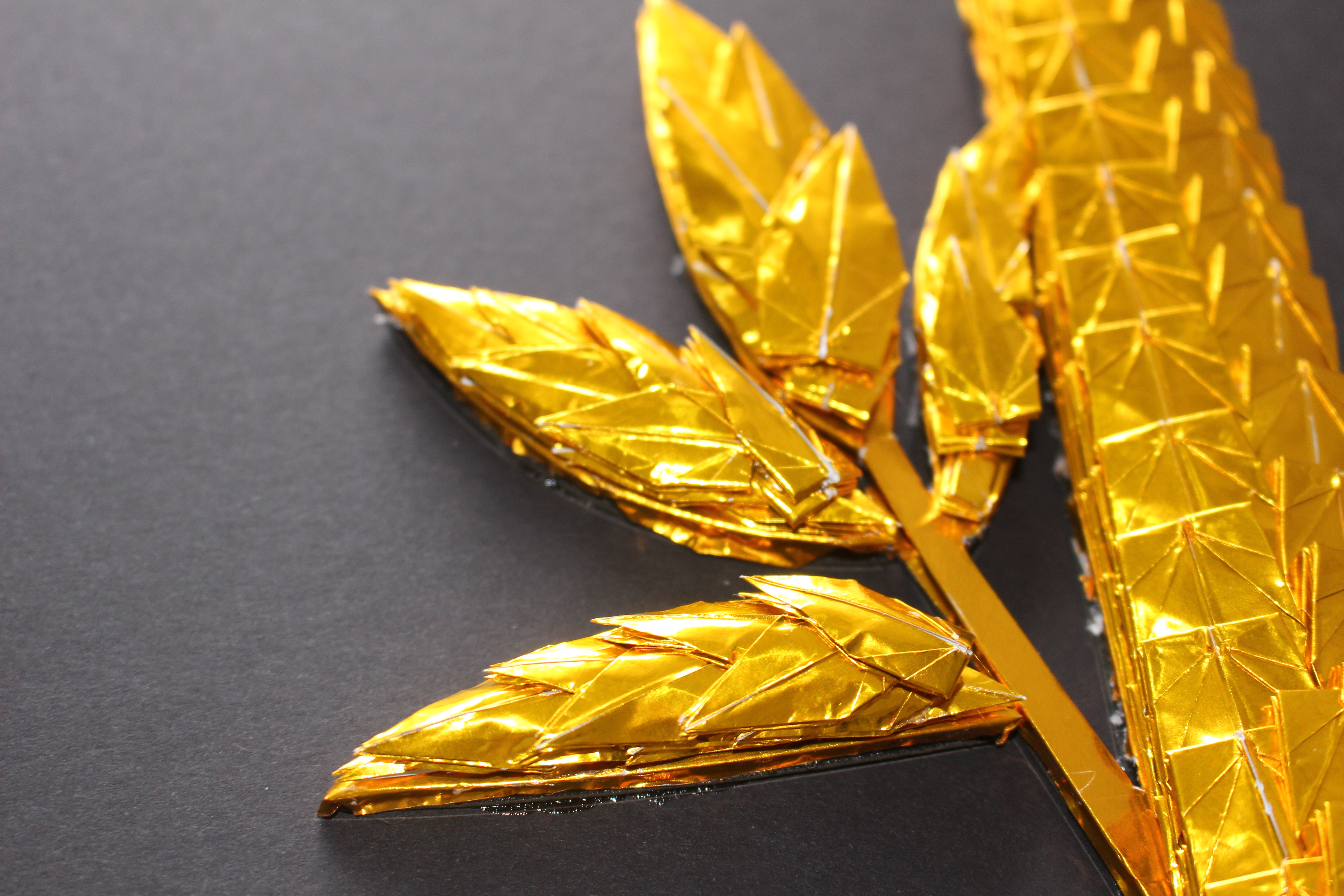
In Hawaii, it is not unusual to see the thousand and one cranes in the form of a family crest or a cluster of images at many special events including weddings, anniversaries, and other special occasions. Although these pieces of art have its origins in the Japanese culture, many people in Hawaii have opted to use images that have special meaning to them.
When designing your own mon, it is important to think about what is most meaningful for you and the event you are commemorating. Whether it is a wedding, an anniversary, or an important milestone in life, creating a mon is a beautiful way to celebrate and honor the moments that take your breath away.
 breathlessmomentsdesigns